Iberia’s Digital Future Unlocked By Strategic Growth 19 Feb 2026
By Pedro Moura
Portugal and Spain are increasingly prominent destinations for data centre investment. As capacity tightens in established Tier 1 European markets, international operators are widening their search for power, land and connectivity and Iberia is benefitting from that shift.
From a Portuguese perspective, and following recent industry gatherings including DC World Madrid and key Portugal focused events, we have seen clear momentum in the regional ecosystem, spanning developers, utilities, network providers and public sector stakeholders.
Geographically, the Iberian Peninsula sits at an important junction between Europe, Africa and Latin America. This position, combined with expanding subsea cable routes and terrestrial backhaul, supports lower latency connectivity for certain transcontinental paths and strengthens route diversity and resilience. Recent and ongoing subsea cable landings are contributing to Iberia’s evolution as a more meaningful interconnection point.
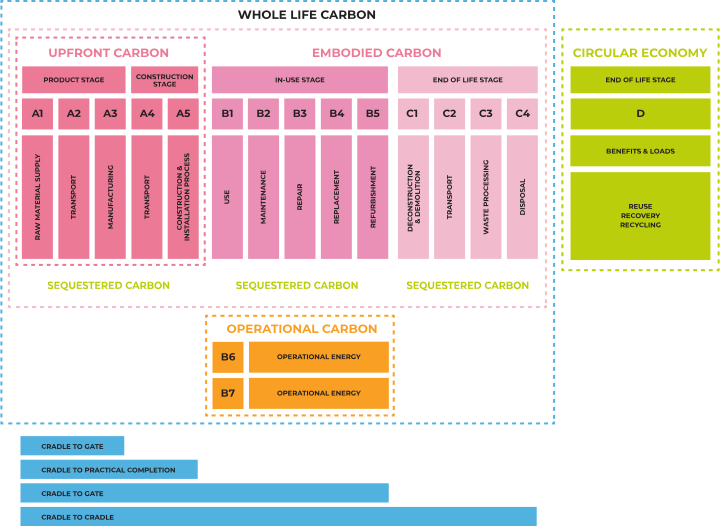
A key differentiator is the scale and pace of renewable energy development, particularly wind and solar. That context places greater emphasis on a holistic approach to design, where architecture and material strategy directly support energy performance, durability and whole life carbon outcomes. For operators seeking to improve operational efficiency and reduce embodied carbon, early decisions on envelope performance, materials and buildability materially influence outcomes.
This is where studioNWA is increasingly active in the region. With an established and growing presence through our Madrid office, we support clients with local insight and delivery capability, backed by deep experience in complex technical buildings and mission critical environments. Our focus is on practical, buildable design that protects programme and de risks coordination, while meeting performance and sustainability goals. We also bring strong BIM delivery, information management and multi discipline coordination, helping teams make better decisions earlier, when carbon and cost are most influenced.
That said, constraints remain. Grid reinforcement and the timing of network upgrades will be critical to meeting hyperscale demand. Delivery can also be slowed by planning, land assembly and licensing processes, which vary by jurisdiction and can introduce programme risk. Addressing these factors is essential for consistent, predictable delivery.
Despite these challenges, the combined advantages of strategic location, growing connectivity, renewable energy expansion and comparatively available land continue to strengthen Iberia’s position in the European data centre landscape. The region is increasingly part of the mainstream conversation for digital infrastructure and its role in the global data ecosystem is set to deepen.



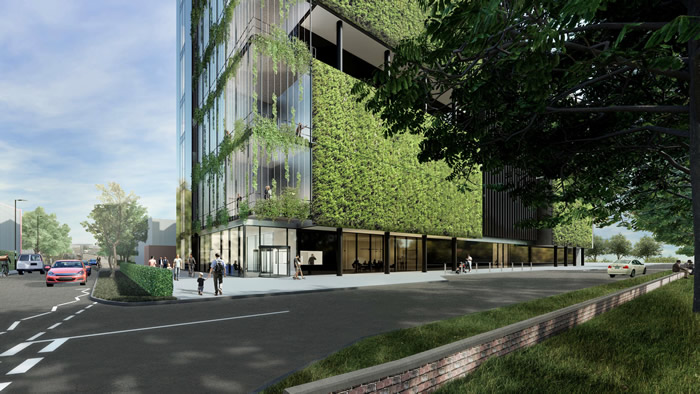







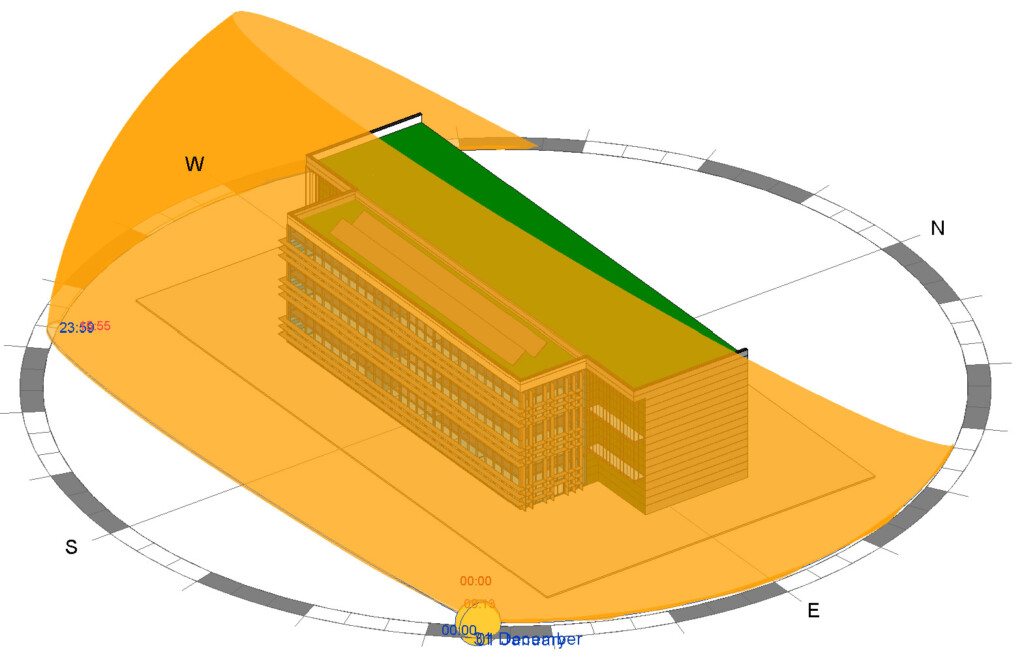
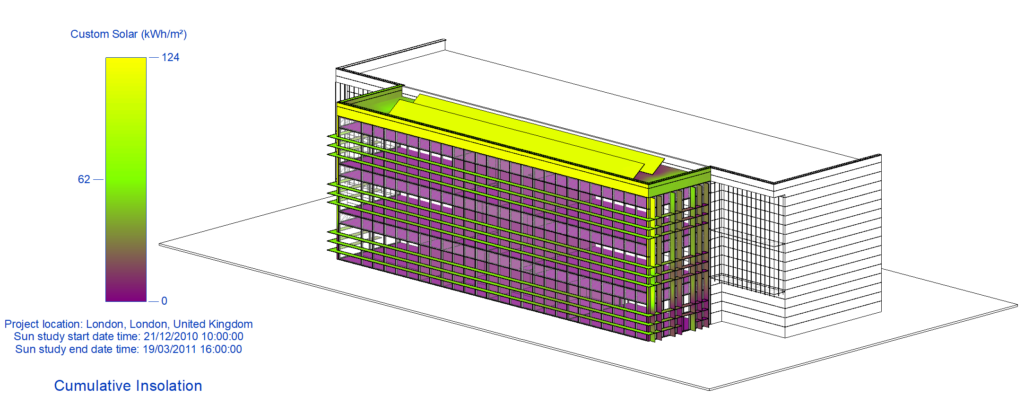 Glazing ratios and solar shading devices designed to suit solar orientation ensure the building façade becomes more resilient to excessive heat gains and losses.