Architecture and the Creation of Community Spaces 11 May 2026
Community-oriented architecture is fundamentally about people. It focuses on creating spaces that invite interaction, encourage movement, and make people feel welcome, safe, and able to connect. In urban environments, the streets, parks, and civic spaces that stitch a city together rely heavily on design to shape how people experience and inhabit them. Well-designed public spaces support casual encounters, create opportunities for shared experiences, and spontaneous interactions.
Architects and urban designers have a responsibility in shaping how buildings and public spaces knit into the city. Movement routes – from main avenues to meandering paths around parks, water, and green buffers – should generate
moments where people naturally gather. The quality and character of these spaces matter: they must be comfortable, inclusive, and genuinely appealing to the communities they serve.
The Challenge of Data Centres
Data centres sit in a particular category of architecture: essential, technically complex, and bound by strict operational and security requirements. Their massive scale, energy needs, and resilience targets mean they are not naturally
aligned with the open, flexible qualities that define community-oriented spaces. As demand for digital infrastructure grows and these facilities move closer to cities to meet low-latency expectations, the environments around them
become more visible and more relevant to everyday urban life. These constraints don’t prevent the creation of positive public environments: they simply make the usual tools of community-oriented architecture harder to apply. While the interiors must meet security rules and remain inaccessible, the surroundings are starting to be seen as opportunities for better design, stronger community engagement, and improved integration within the urban fabric.
5 Ways Data Centres Can Support Community-Creation
1. Urban Renewal
Repurposing old industrial land into active/cleaner sites can revitalise neighbourhoods. Thoughtful design, genuine engagement, and investment in surrounding amenities (parks, paths, green buffers) can turn previously neglected areas into assets.
2. Human-Centric Design
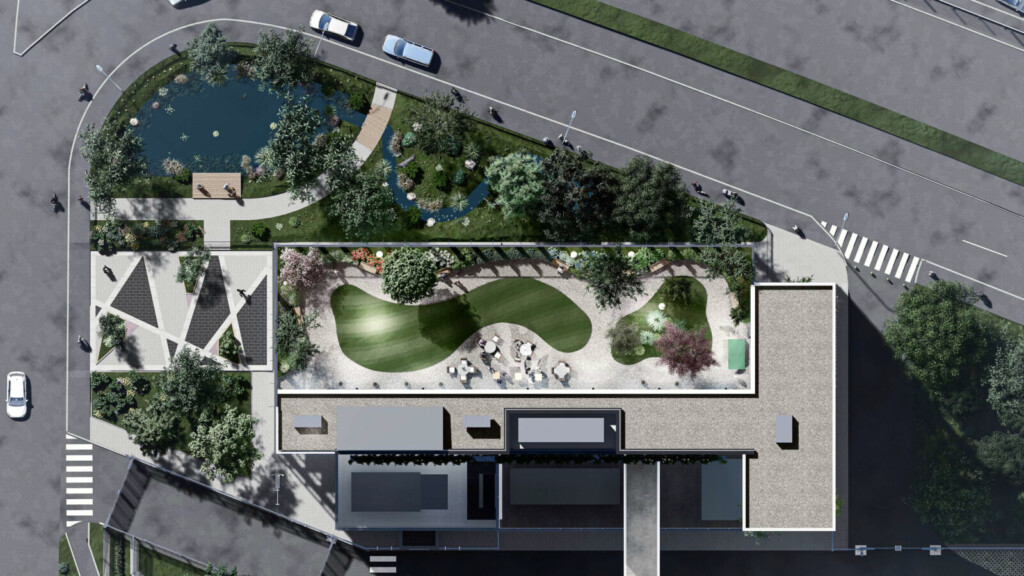
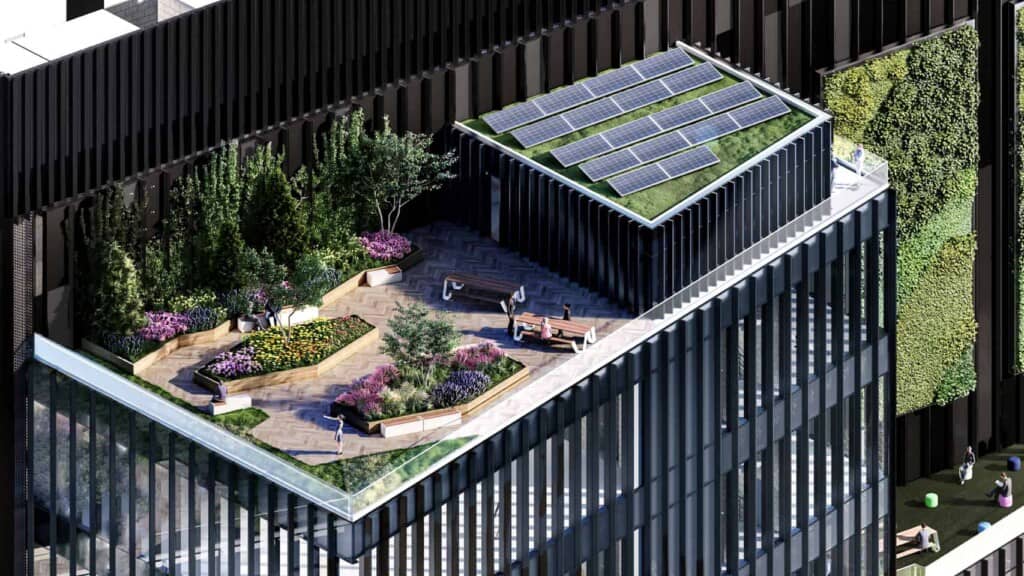
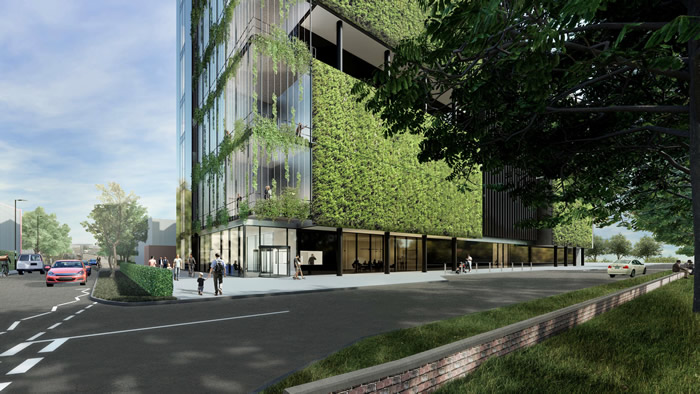
While the buildings themselves remain secure and off-limits, their edges do not need to be hostile. Public art, seating, tree-lined walkways, community gardens, murals, and improved crossings can make the perimeter feel like
part of the city rather than a barrier. A recent example is the collaboration between studioNWA, local artist Rafael El Baz, and Vantage Data Centers, resulting in a six-storey art installation on the façade of a new data centre near Park Royal in Ealing. The piece shifts the building from a purely functional infrastructure into a cultural marker, giving it identity and a stronger sense of belonging within the urban fabric.
3. Mixed-Use Integration
In appropriate contexts, data centres can be incorporated into wider masterplans – coexisting with offices, light industry, urban farms, research hubs, or even underground solutions – allowing communities to benefit from shared infrastructure and improved connectivity.
4. Infrastructure Upgrades
Data centres often fund enhancements to power grids, water systems, and road networks. In some cases, they can also contribute directly to local energy strategies. Several studioNWA projects in West London, for instance, are designed to supply waste heat from data-centre operations to an adjacent residential development, supporting more efficient and sustainable district-heating solutions.
5. Environmental and Social Investment
Developers can support public renewable-energy projects, biodiversity corridors, skills programmes, and local employment initiatives, ensuring the digital infrastructure also strengthens the social and ecological fabric of the area.
Together, these approaches show that data centres, despite their technical constraints, can still play an active role in shaping healthier, more connected urban environments. When design, infrastructure, and community engagement
align, even highly specialised buildings can contribute meaningfully to the life of the city.









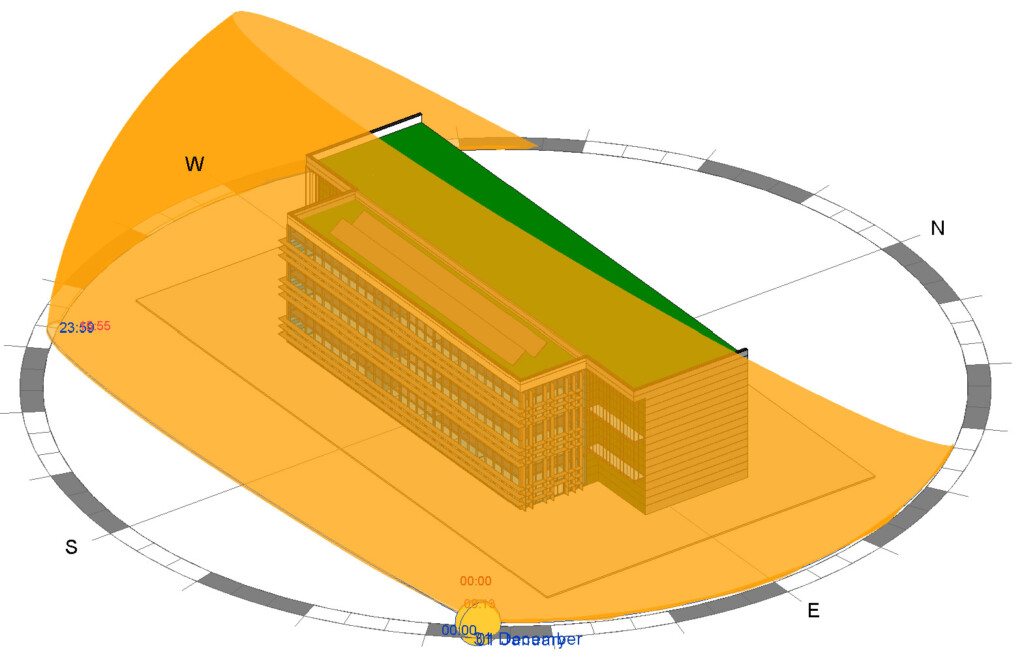
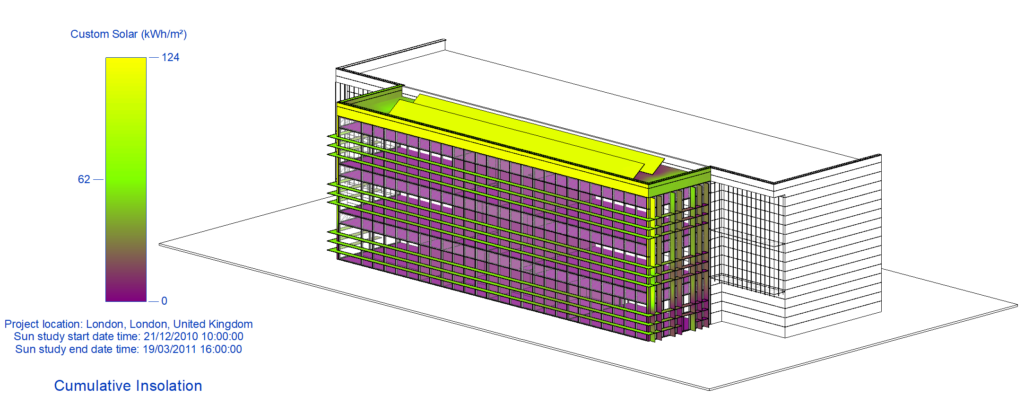 Glazing ratios and solar shading devices designed to suit solar orientation ensure the building façade becomes more resilient to excessive heat gains and losses.